When we discuss the history of gaming, our minds often drift toward iconic platformers or groundbreaking shooters, yet the strategy genre remains the silent architect of our modern play habits. From the complex systems powering today's indie darlings to the competitive structures of global esports, strategic DNA is woven into everything we touch. Here are eight titles that laid the foundational blueprints for the games you are playing right now.
 Image credit: www.dualshockers.com
Ironclad Tactics
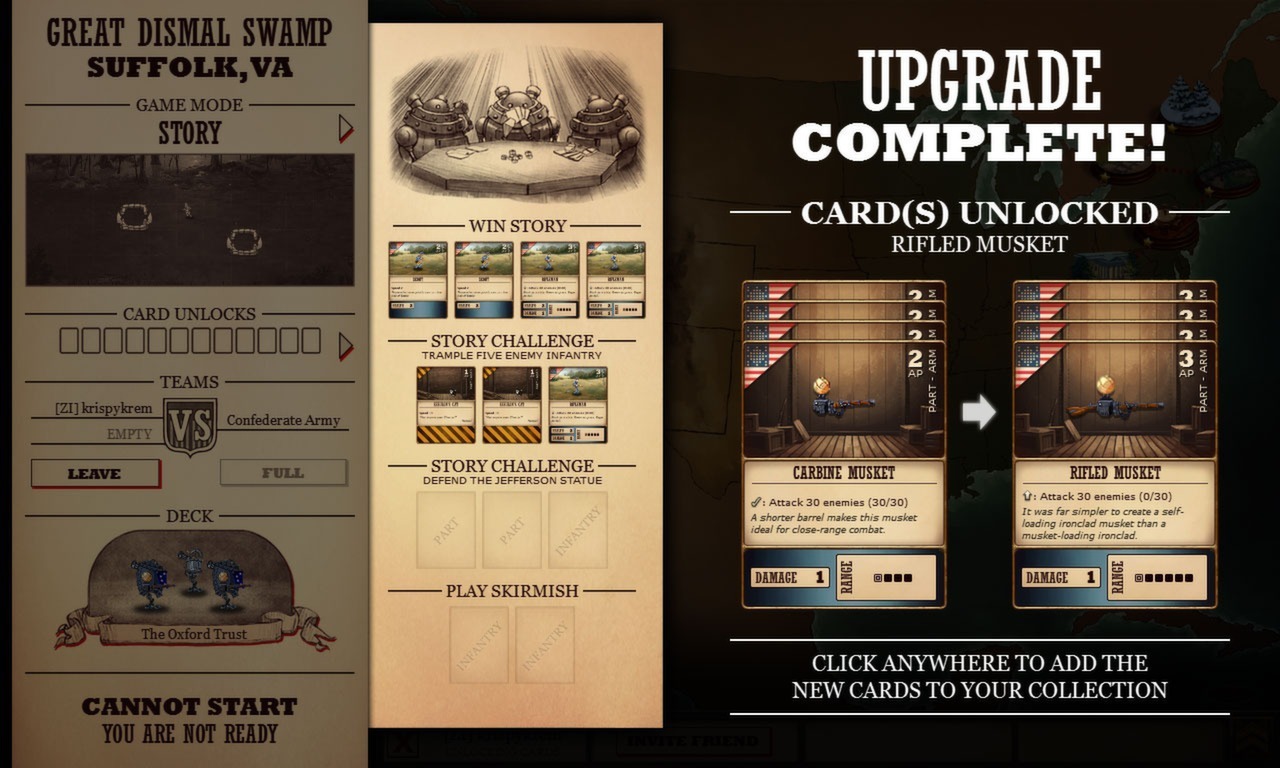 Image credit: RAWG.io
While some might view this Zachtronics project as a niche experiment, its DNA is clearly visible in the thriving deck-building scene of today. By forcing players to juggle card-based decisions against a relentless ticking clock, it pioneered the frantic, high-stakes kinetic energy found in modern roguelike hits like Slay the Spire.
Plants Vs. Zombies
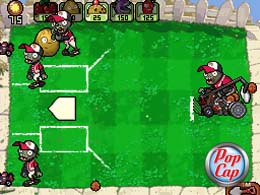 Image credit: RAWG.io
This vibrant classic proved that tower defense didn't have to be a dry, utilitarian exercise by layering a brilliant economy system over its core loop. By making the collection of resources as critical as the placement of units, it created an accessible yet deep template that continues to influence contemporary titles like Thronefall.
FTL: Faster Than Light
 Image credit: RAWG.io
Merging the unforgiving permadeath of classic roguelikes with intricate strategic management, this title changed how we think about risk and reward. It paved the way for a generation of indie games that demand careful planning under the looming shadow of total failure.
Stronghold
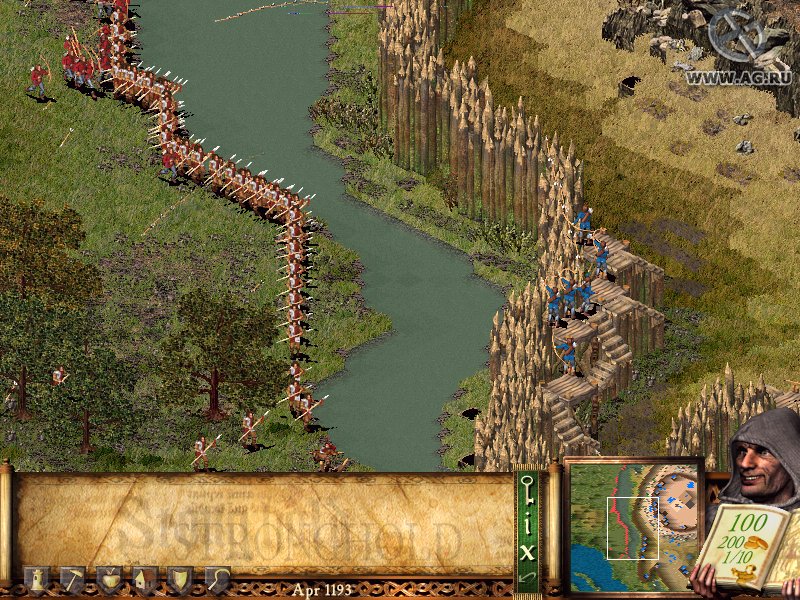 Image credit: RAWG.io
Before base-building became a standard feature, this game treated castle construction as a precise, high-stakes art form. By emphasizing the logistics of defense and the crushing weight of siege warfare, it set the stage for modern indie hits that focus on the brutal reality of holding a line against impossible odds.
Homeworld
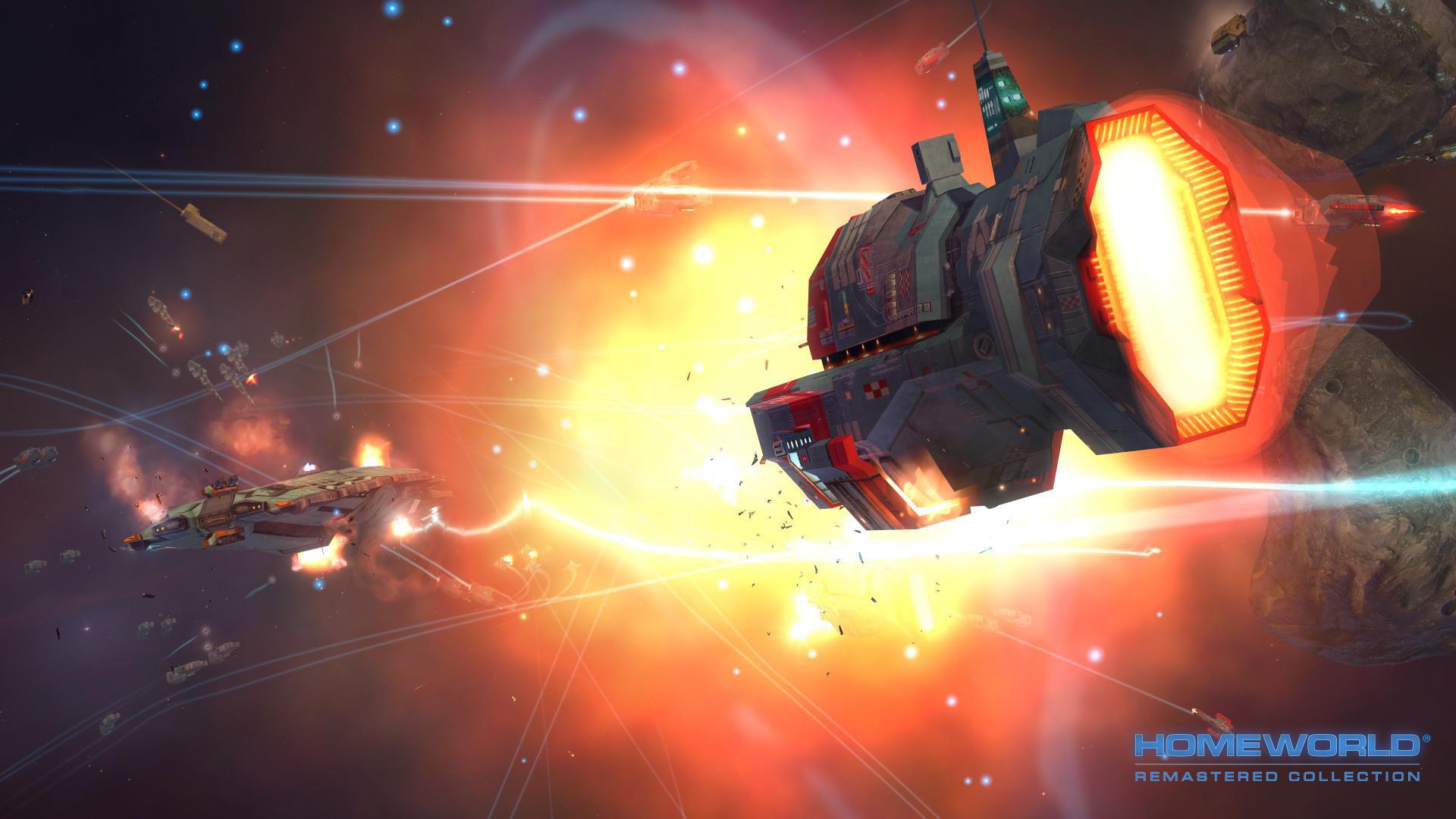 Image credit: RAWG.io
Moving the real-time strategy genre into a true 3D plane was a monumental leap that forever changed our expectations for scale and immersion. By liberating combat from the traditional flat grid, it provided the essential framework for every space-sim that has dared to challenge the verticality of the cosmos since.
Dune 2: The Building of a Dynasty
 Image credit: RAWG.io
Often hailed as the grandfather of the modern RTS, this title didn't just introduce mechanics; it codified the very language of the genre. Without its pioneering structure of resource gathering and base expansion, the massive competitive landscapes of modern gaming—and even the rise of the MOBA—might look drastically different.
StarCraft 2
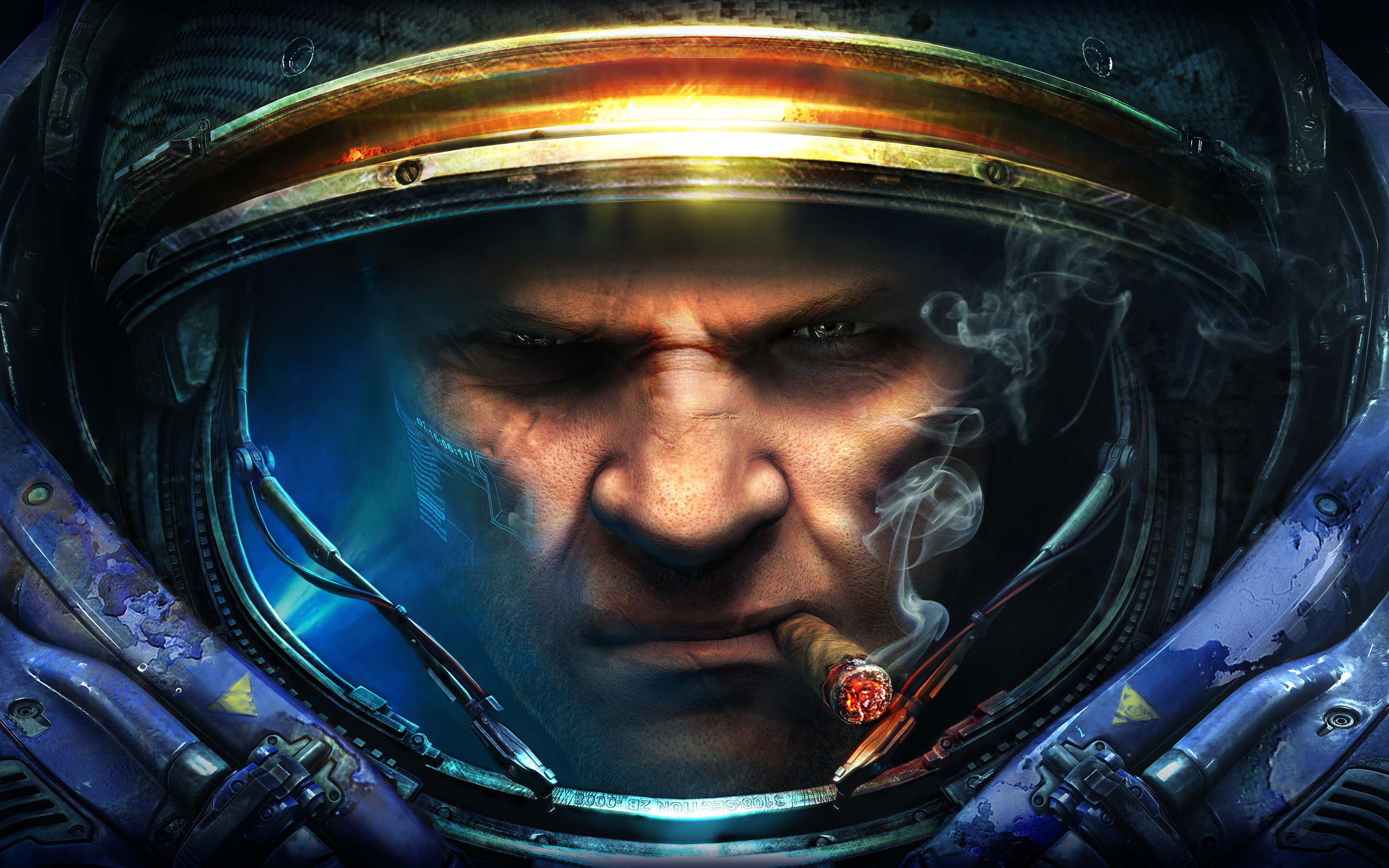 Image credit: RAWG.io
This title remains the gold standard for how a game can cultivate a professional scene through perfectly balanced, asymmetric design. It demonstrated that deep, high-speed strategy could be a spectator sport, setting the bar for what it means to foster a dedicated, long-term competitive community.
Warcraft 3
 Image credit: RAWG.io
Beyond its own merits, this game acted as a massive catalyst for innovation by handing powerful creative tools to its player base. By providing an editor that birthed the entire MOBA phenomenon, it transformed from a mere product into a legendary engine for community-led design.
Whether it is the frantic pace of a deck-builder or the grand scale of a space war, these titles proved that strategy is not just a genre, but a way of thinking that defines the interactive experience. The next time you find yourself obsessing over a complex tech tree or a perfectly timed defensive maneuver, remember that you are walking a path carved by these legendary developers.
Original coverage: www.dualshockers.com.
No comments:
Post a Comment