The iron throne remains vacant for a little longer, as the highly anticipated strategy epic Game of Thrones: War for Westeros has officially pushed its release date into 2027. While fans were eager to march their banners across the Narrow Sea, the development team at PlaySide has opted for a strategic retreat, choosing to extend their production cycle rather than rushing a title that aims to capture the brutal, high-stakes political maneuvering of George R.R. Martin’s sprawling continent.
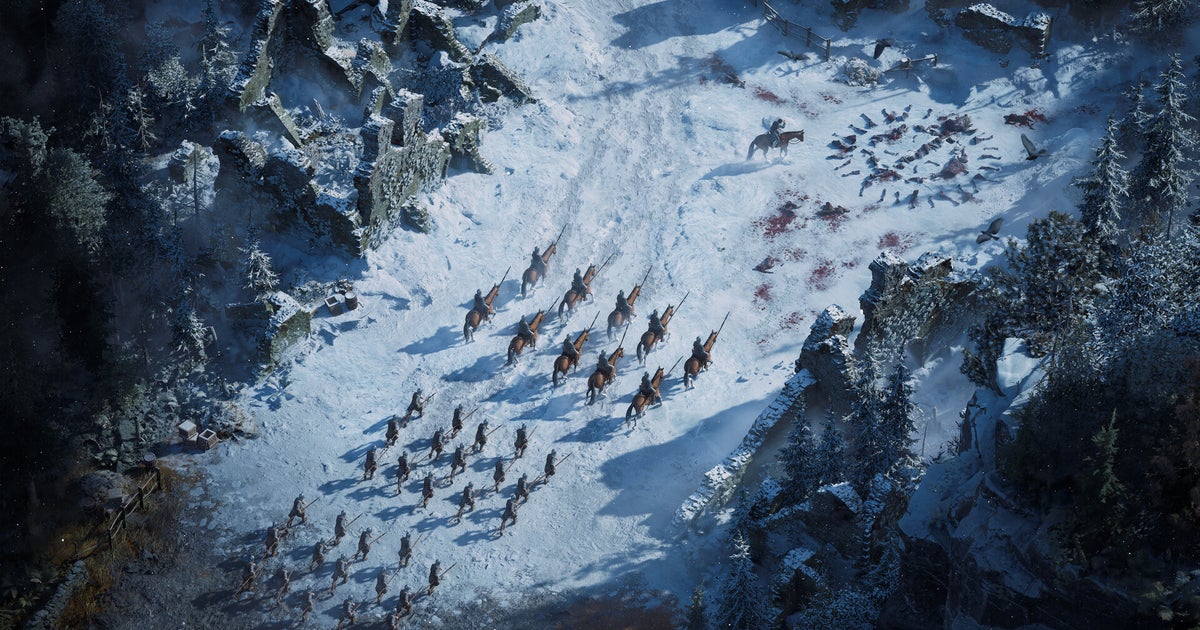 Image credit: www.rockpapershotgun.com
Refining the Tactics of the Seven Kingdoms
Translating the dense, backstabbing atmosphere of Westeros into a real-time strategy framework is no small feat. The decision to delay Game of Thrones: War for Westeros signals a commitment to mechanical depth rather than a surface-level aesthetic adaptation. The developers are clearly aiming to move beyond the tropes of the genre, striving to weave the intricate house rivalries and shifting loyalties into the actual gameplay loop. By granting themselves extra development time, the team is likely focusing on balancing the asymmetrical strengths of the Great Houses, ensuring that commanding a legion of Lannister gold-cloaks feels distinct from mobilizing the wild, unpredictable forces of the Targaryen dynasty.
A Siege of Expectation
The community reaction to this extended wait has been a complex mix of frustration and cautious optimism. RTS enthusiasts have long lamented the lack of high-fidelity titles that effectively marry grand-scale warfare with deep, narrative-driven campaign structures. If PlaySide can successfully avoid the "generic clone" trap, this extra time spent in the forge could result in a title that finally does justice to the series' iconic battles. Players are clearly hungry for a game that respects the intelligence of its audience, demanding that the tactical depth of the user interface matches the complexity of the source material's political schematics.
Forging a Legacy Beyond the Screen
Ultimately, the ambition behind Game of Thrones: War for Westeros hinges on how well it captures the scale of a continent at war. Transitioning from the intimate, character-focused drama of the television adaptation to a macro-level battlefield requires a delicate touch. This delay suggests that the studio is prioritizing technical polish and AI behavior—essential components for an RTS where the player is expected to manage both supply lines and morale across massive, sprawling maps. If they can nail the feeling of true command, the 2027 launch might just provide the definitive experience for those who have spent years dreaming of rewriting the history of the Iron Throne themselves.
Original coverage: www.rockpapershotgun.com.
No comments:
Post a Comment